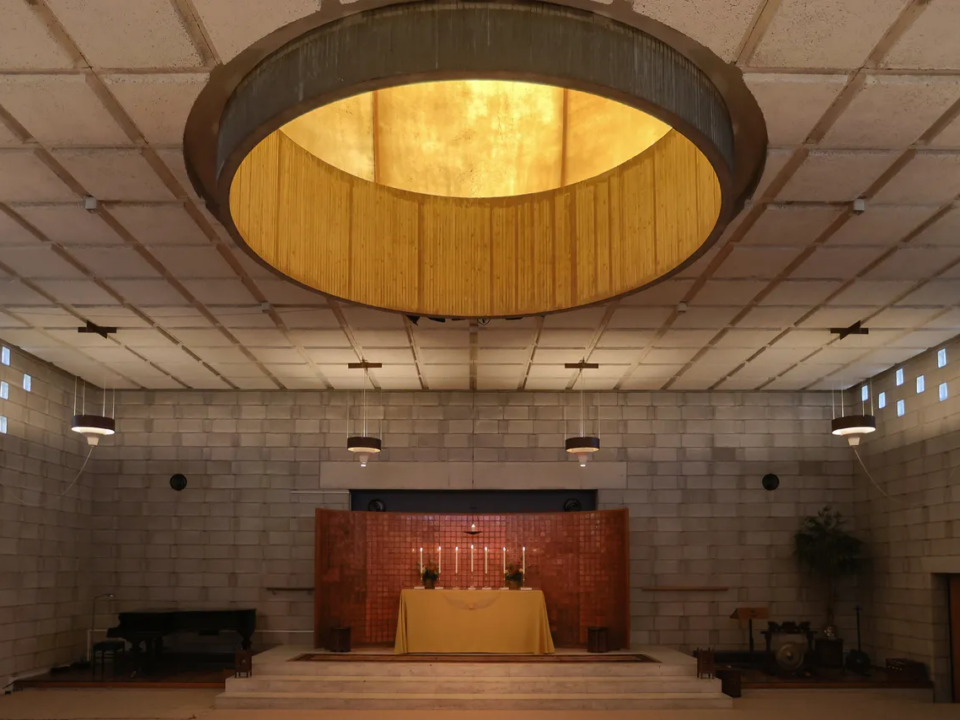
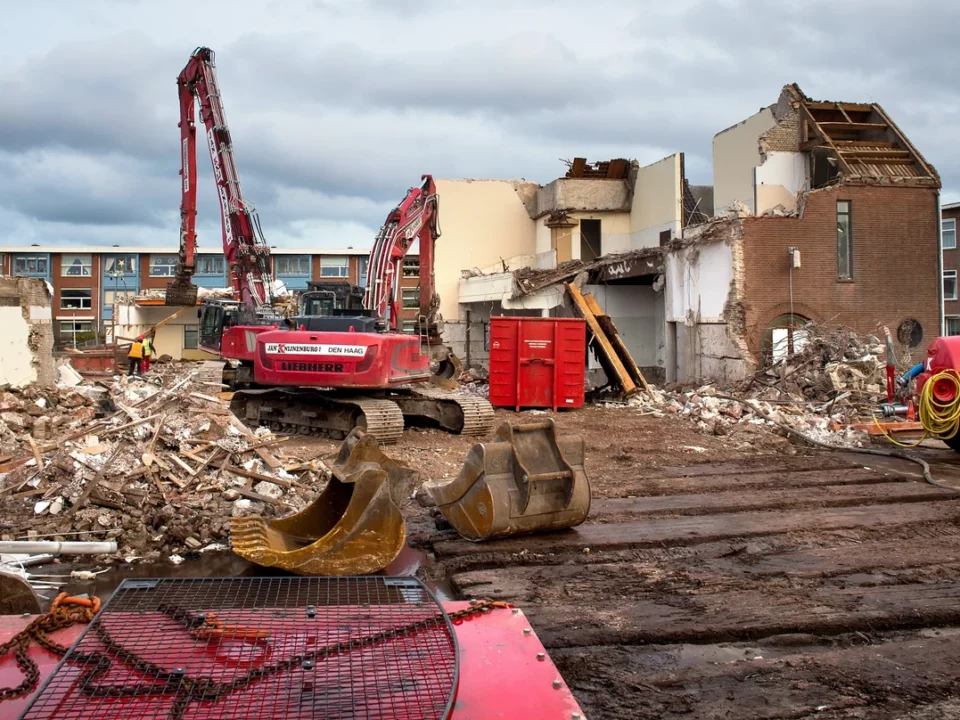
Places of connectedness, inspiration, reflection, inspiration and consolation are of great importance to a culture and a society. For many people the locus Moved from such places: from churches and chapels to nature, the neighborhood café or the theatre. In recent years, many churches closed their doors, or were given a (commercial) re-destination.
What we do
In the program Sacred Places inventory, research and stimulate Socires Our old and new sacred places. We do public research, inventory scientific and policy materials, explore best practices, provide presentations for civil society organisations, directors, predecessors, volunteers and other interested parties and pioneers special collaborations.
Who we work with
At the same time, the number of people who indicate that such places must be preserved is growing. The changing experience of the sacred pine, combined with the large-scale sale of classical religious buildings, makes this an urgent social issue. What are our sacred places? What is the importance of religious buildings, in cultural-historical, social, but also spiritually? Who cares about this?
In the program Sacred Places works Socires to a better understanding of the meaning and importance of classical and new sacred places in Dutch society. We examine what this means in concrete terms for the (re) evaluation of our church buildings and chapels. In doing so, we want to remove this theme from the limited circle of ecclesiastical and public authorities and to raise it more widely, with civil society organisations, other social domains and (neighborhood) residents.
What we do
In the program Sacred Places inventory, research and stimulate Socires Our old and new sacred places. We do public research, inventory scientific and policy materials, explore best practices, provide presentations for civil society organisations, directors, predecessors, volunteers and other interested parties and pioneers special collaborations.
Who we work with
Socires works in this program together with the Christian University of Ede, Museum Catharijneconvent, the Rijksdienst voor het Cultureel Erfgoed and Vrijezielen Nederland. The above public investigation is carried out by Ipsos I&D and financed, among other things, by the Cultural Heritage Agency.
Want to know more?
If you would like to know more about the program Sacred Places, our activities or publications, you have questions or suggestions, or you would like to make an appointment for a presentation or conversation, please contact Ward Huetink or Ellen Klaver.