The public internet starts local
On Thursday 1 October 2026, the Socires, the KB and The Internet Society a start meeting on LibraryNet which discussed how LibraryNet as a public and alternative network can make digital public space local, resilient and democratic again through the public library. The meeting was the start of a movement that starts small but has to grow into a national platform. For starters start early 2027 with a pilot together with three library organisations. Libraries can now register via the link below.
What is LibraryNet?
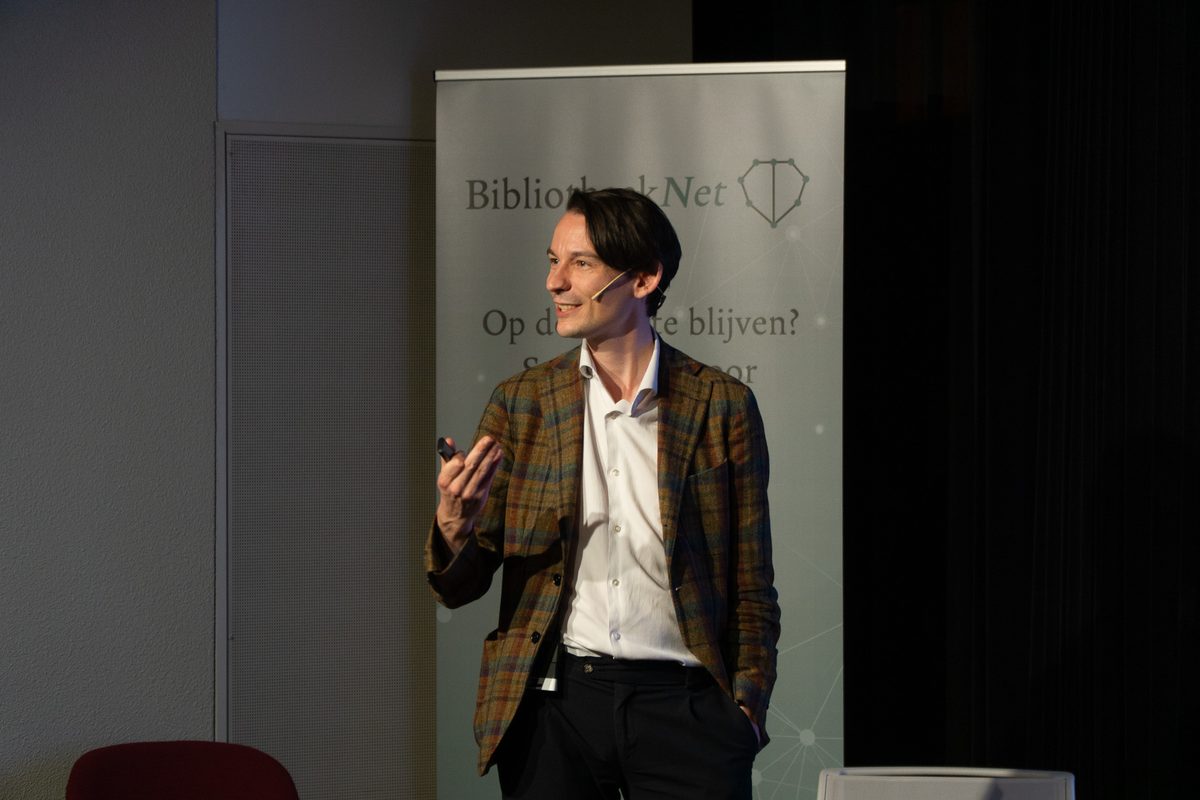
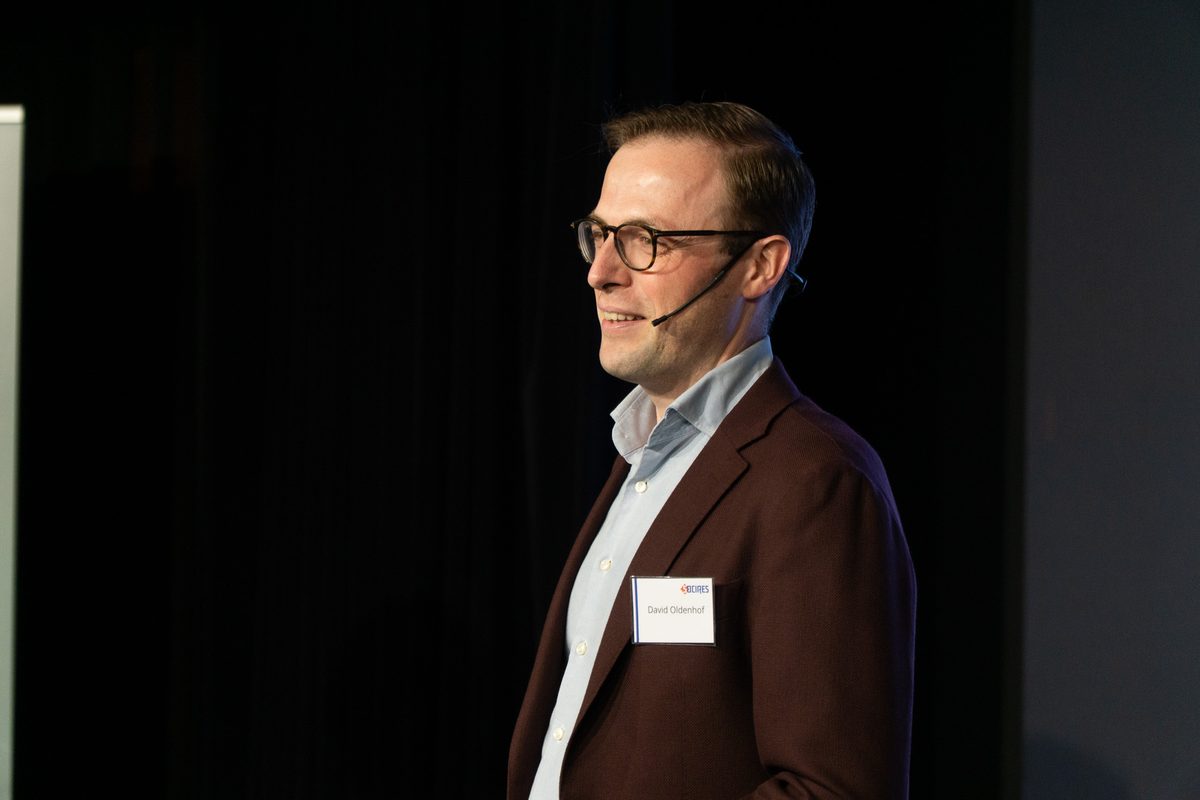
Initiators Hans-Dieter Hiep and David Oldenhof-Boks opened the symposium with an introduction from LibraryNet. They argue that it brings together three vital functions. Firstly, it is a public information and communication network in addition to the commercialised Internet, which also works when the Internet or the power supply fails. Secondly, this network is the foundation of a public Internet: locally managed, based on open source technology, without tracking or addictive technology and with community participation. Thirdly, it strengthens the local community by sharing responsibility for digital public space.
Digital space as a public-civil partnership
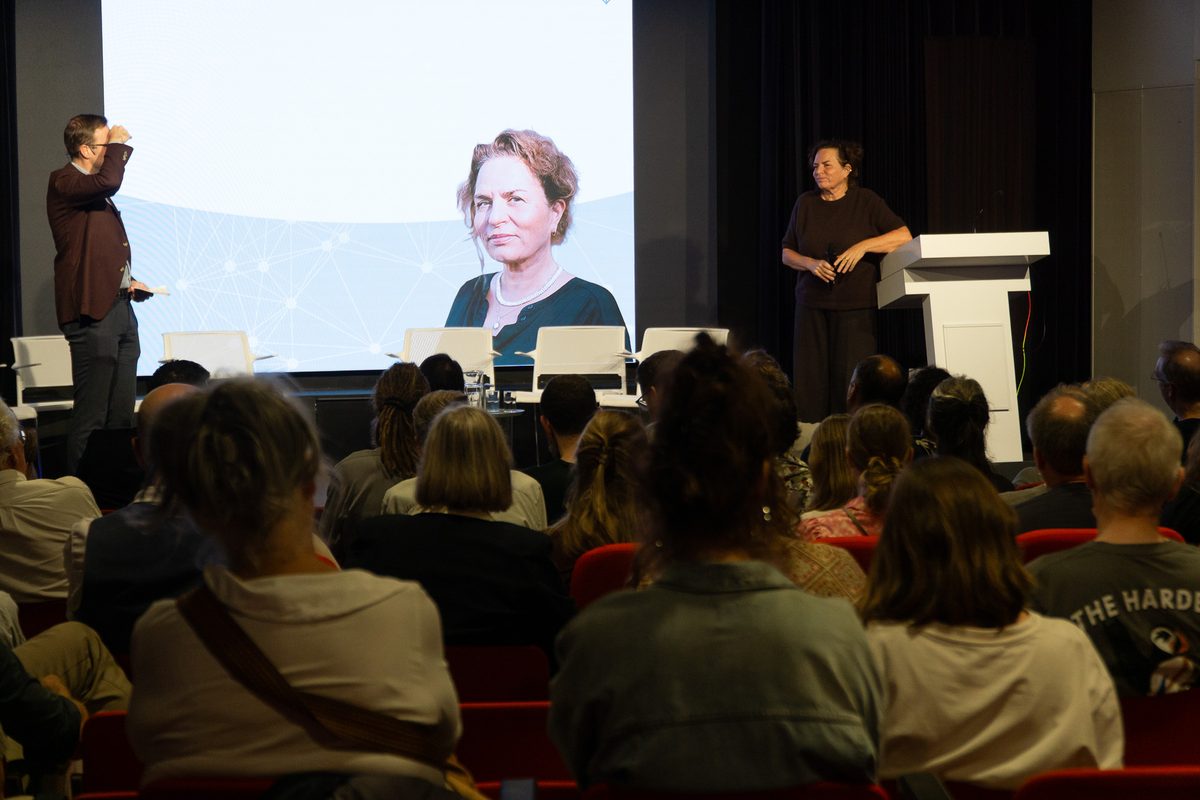
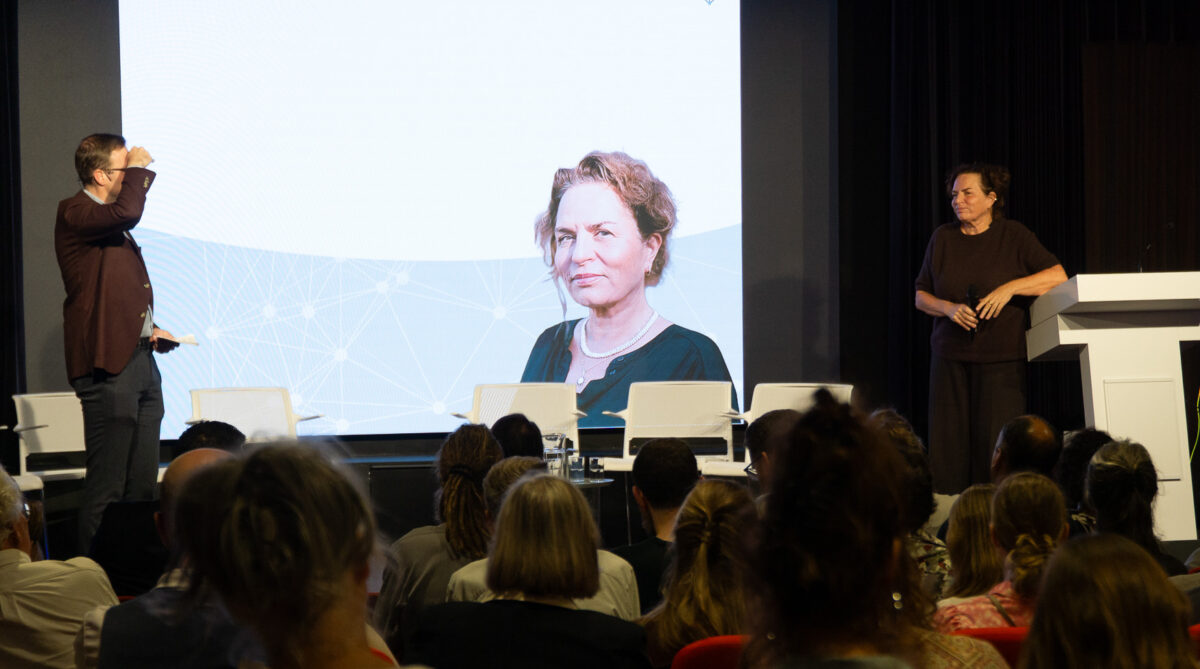
In her keynote, Marleen Stikker of Waag Futuelab BibliotheekNet put in a broader plea for public digital infrastructure at every level, from cables and satellites to language models and social media. According to Stikker, public-civil partnerships such as LibraryNet have virtually disappeared in government thinking. Stikker mentioned examples in which civil society is already moving away from big tech to public tech and open socials, such as the Degoogled phones, Eurosky and the Waag Futurelabs own oso.social.
On the role of the library, Stikker stressed that it should be very active. However, it calls for a different role and for different knowledge and skills than library staff now usually have. Stikker states that the library should seek an active role in the network of the many parties operating in this area.
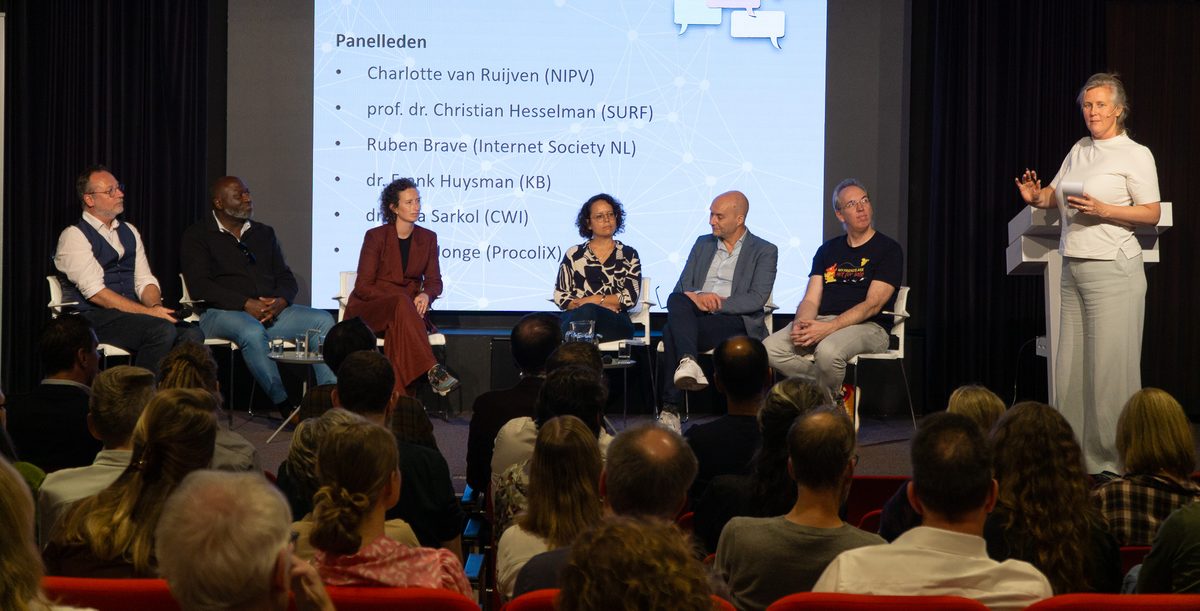
Panel
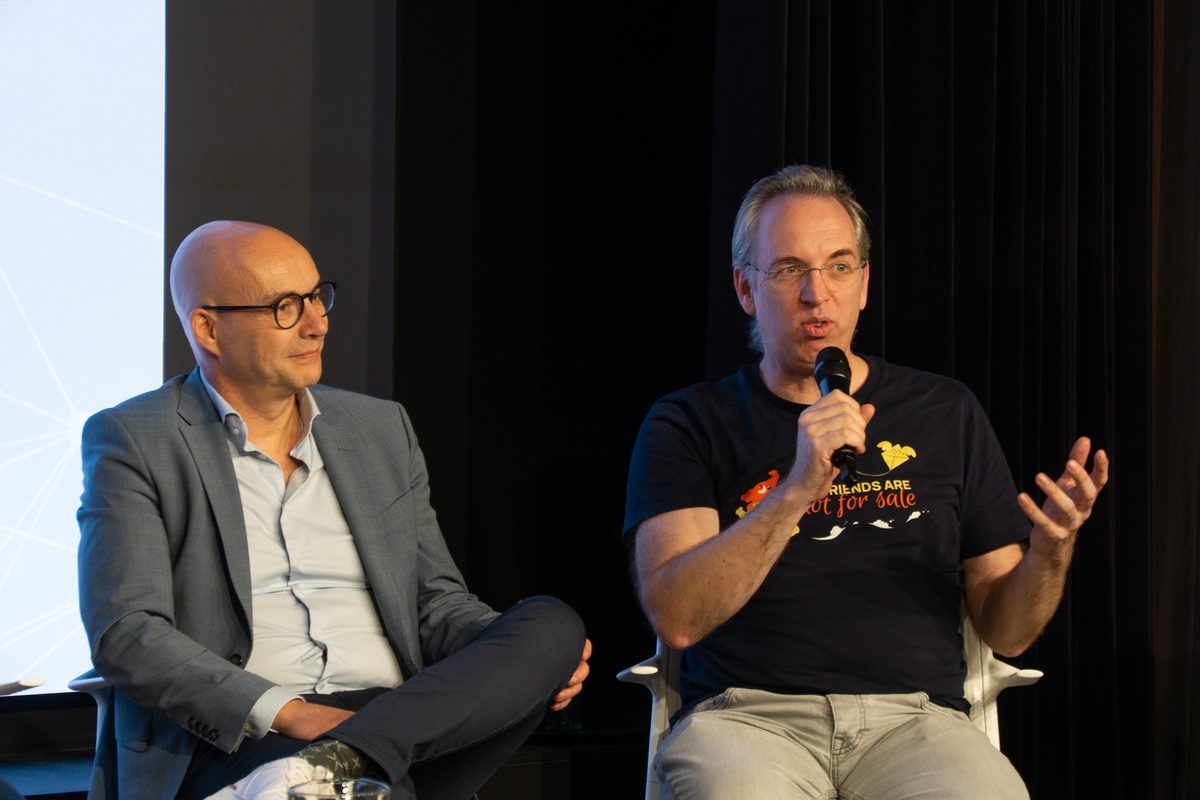
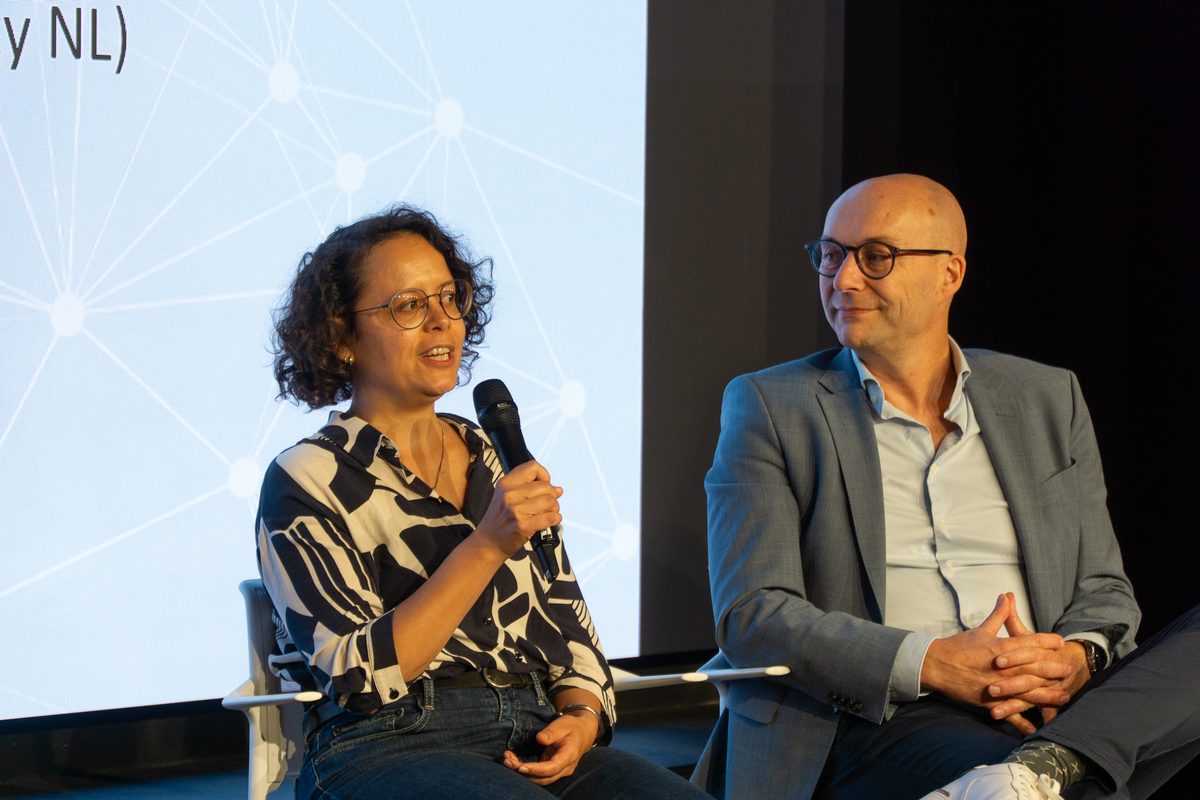
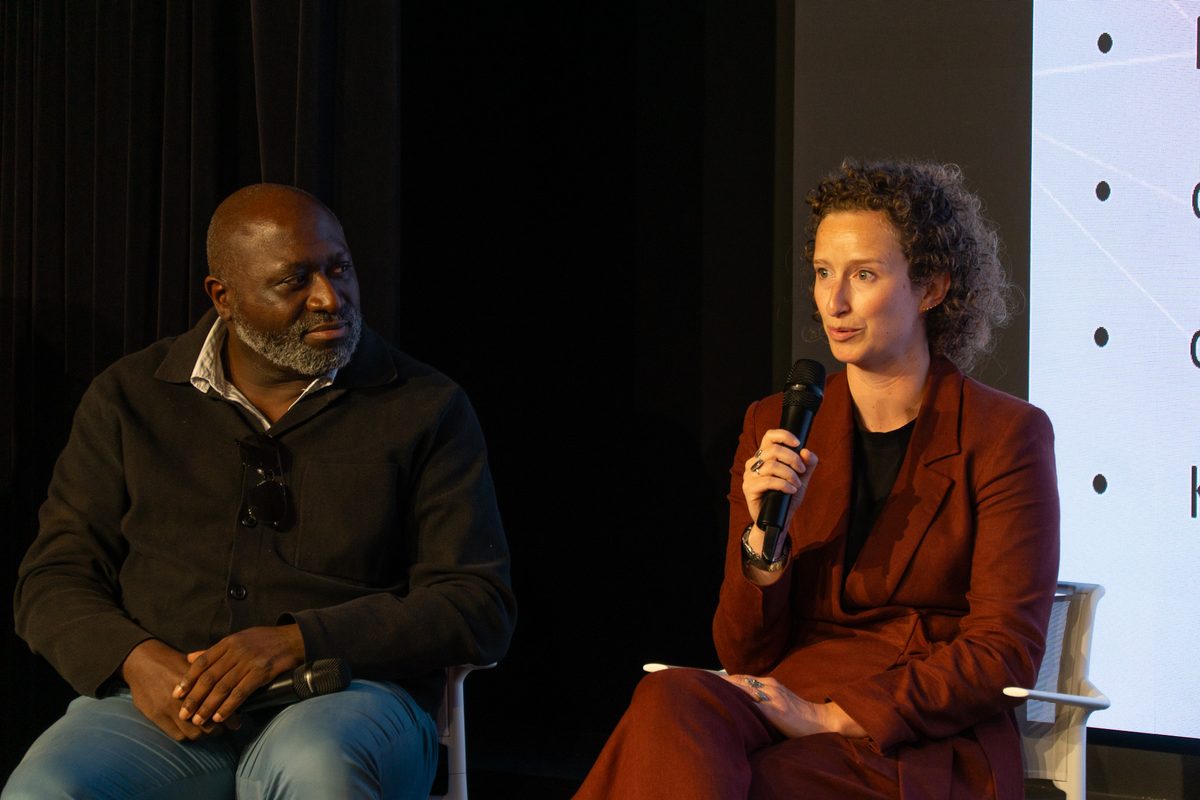
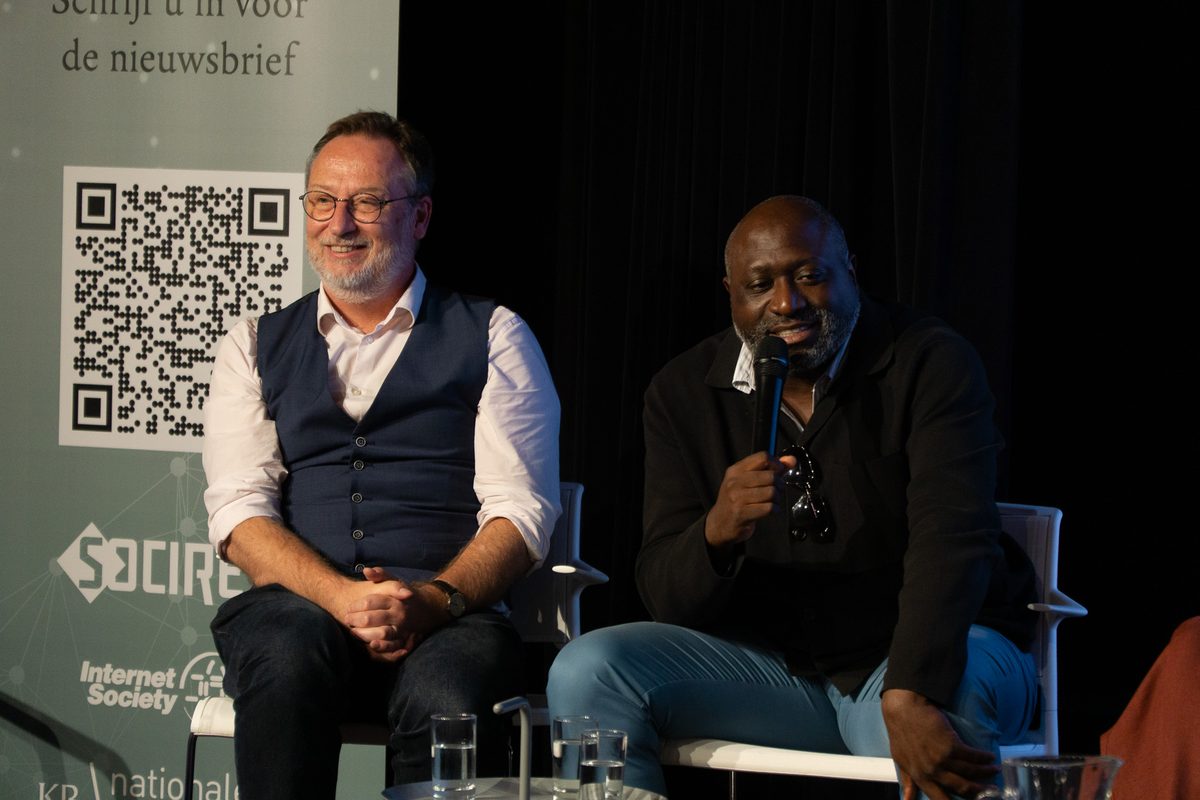
The panel consisted of six speakers from library, technology, government and civil society: Charlotte van Ruijven (programme manager Emergency Support Points NIPV), Christian Hesselman (Director trusted digital infrastructures SURF), Ruben Brave (Internet Society NL), Frank Huysmans (KB), Vera Sarkol (Main Library Centre for Mathematics & Computer Science) and Koen de Jonge (founder ProcoliX). Under the leadership of moderator and NRC journalist Marloes de Koning, they reflected from their own expertise on LibraryNet.
The geopolitical situation has changed considerably in recent times, so that the current open and global network is no longer functioning as it was once intended. The panel therefore expressed broad support for the LibraryNet. Essential questions also emerged. Is a new, galvanically separated network necessary, or can existing cables be used and software shut down? Is the current physical infrastructure good enough and do we have sufficient control over it? Can both networks exist side by side, each with its own purpose? How do we prevent an emergency network from dusting if there is no emergency? And who pays, manages and owns the network?
The sequel
Three library organisations are recruited to test the alternative network and the social and technological layer. Do you want to join your library? Then sign up for the pilot via bibliotheeknet@socires.nl. Keep up with the sequel? Sign up for the newsletter via this link