In 1991, French economist Michel Albert wrote in "Capitalism Contre Capitalisme":
"In terms of both social cohesion and economic stability, the Rhineland model, with its emphasis on long-term and social partnership, offers a more sustainable and equitable form of capitalism than the Anglo-Saxon model, which is characterised by short-term and an overemphasis on shareholder value."
Cooperation, solidarity and stability were the hallmarks of the Rhineland economy. This was reflected in the tradition of the civil society; about family businesses and SMEs; within large organisations, with employee participation and works councils; in the financial sector, with cooperative banks and insurers; etc.
More than thirty years later, the Rhineland Theory is gaining popularity again in the Netherlands. Politicians, entrepreneurs, journalists and scientists speak enthusiastically about the European economic model. But what exactly is the Rhineland Theory? Is it still relevant today? And how can it be an alternative to the current structure of our economy and society?
What we do
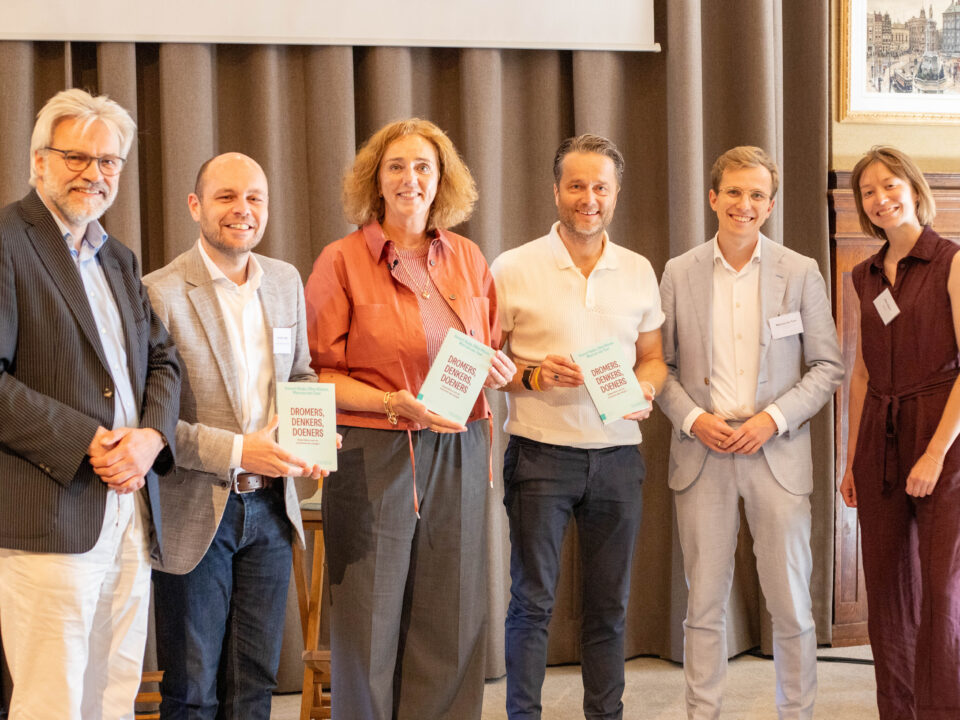
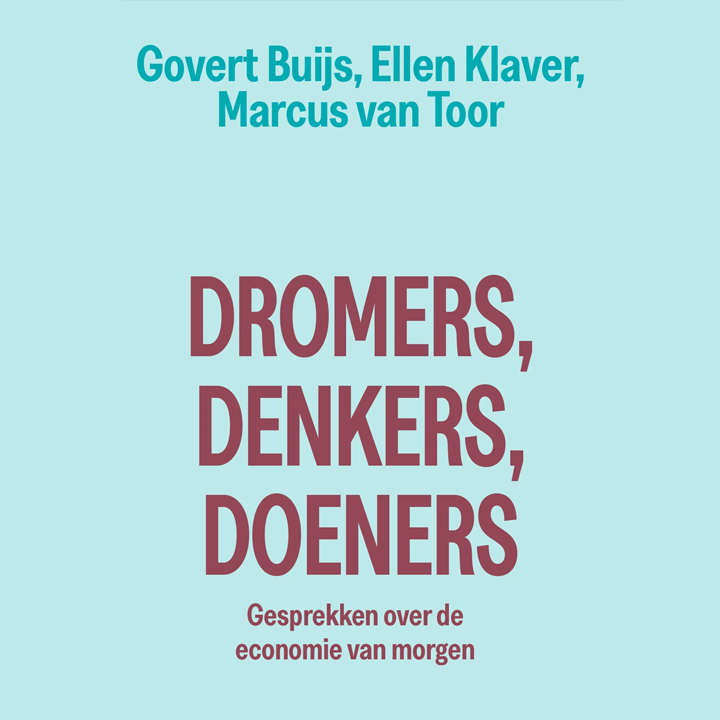
In the Rhineland Theory and Practice programme, we explore new forms of Rhineland organisation in and for the Dutch economy and society. We publish essay collections, organise public lectures and hold round-table discussions with stakeholders from the Dutch polder.
Who we work with
Socires cooperates in this program with (among others) VNO-NCW and CNV. Funding for this programme was made available by the Abraham Kuyper Fund.
Want to know more?
Would you like to know more about the programme Rhineland Theory and Practice? Please contact Kees Buitendijk.