Pay, save, invest, borrow. We cannot do without well-functioning banks, pension funds, lenders and insurers. However, in the period 2008-2013, it became clear how the financial sector could lose sight of the social importance. The question is whether we have seen the underlying causes of the crisis at the time. From the pursuit of profit maximization, to the formation of oligopolies, and the transfer of risk derivatives and externalities and the financialization of economy and society, it remains real issues. At the same time, there is the question of whether we have responded well to the crisis: over-regulation and over-protocolisation are the order of the day, and good initiative and entrepreneurship in the sector are nigh.
In particular, the programme Finance and the Common Good deals with the Dutch banking sector. The Netherlands has traditionally been a banking economy. Banks see themselves as a game divider between public and private, between financial and real economy, between consumer and business, between property and credit, between markets, between groups, between countries. Many traditional tasks of banks, however, come under pressure from digitalisation, geopolitical changes, the emergence of new competitors, legalisation, etc. Banks need to think strategically and socially about their role in this new world. Is there another Dutch banking sector in 2030? How can she find a new middle between good results and societal relevance?
What we do
1. The financial sector is woven into the fabric of society, and vice versa. It is inevitable that politicians, policymakers, academics, businesses and civil society organisations will be involved in the debate on a healthy and responsible financial sector. We therefore facilitate round-table discussions on important social issues with key figures from within and outside the sector.
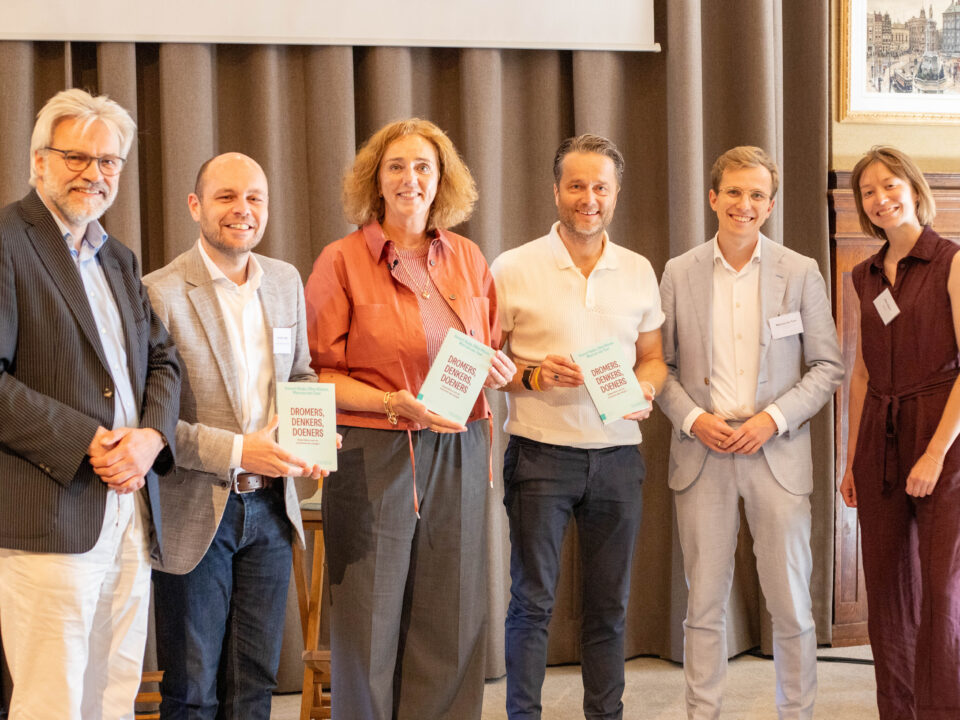
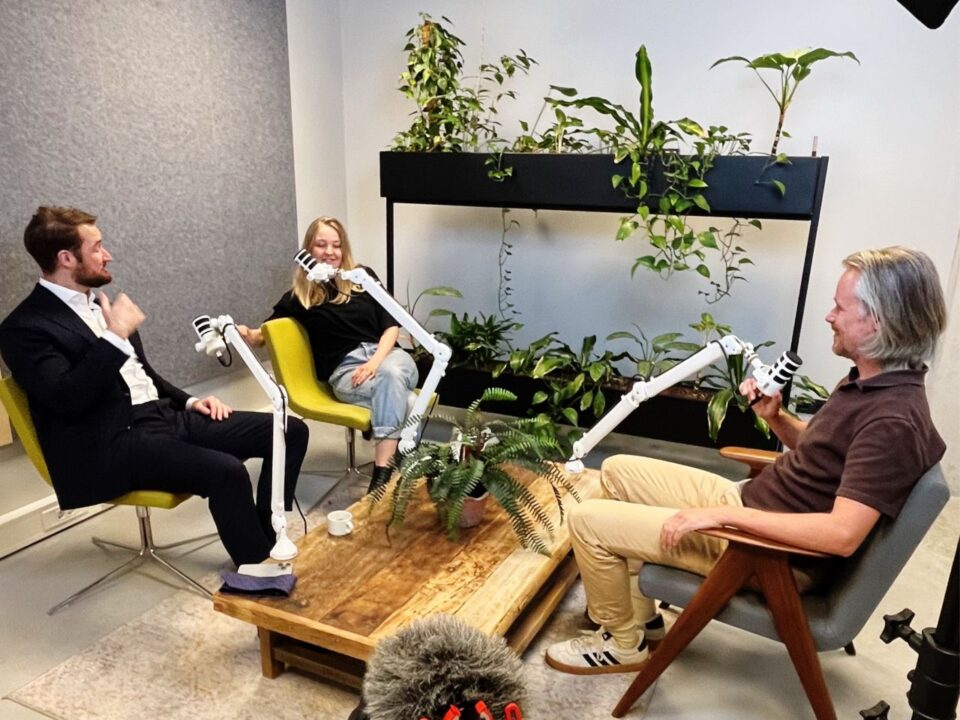
2. The questions that come to the financial sector are great. We therefore conduct research and publish it, in books, podcasts and articles. For example, we write about the ethics of AI in digital finance or the ideals of the modern banker.
3. We also organise ongoing seminars for professionals in the financial sector. Driven professionals who like to explore personal, professional and social issues. With appealing lectures and debates with philosophers, top bankers, politicians, scientists and journalists.
Who we work with
Permanent partners within this programme line of Socires are among others the Dutch Association of Banks, ABN Amro, Rabobank, ING, Triodos, Volksbank and the Ministry of Finance.
Funding for the programme is made available by, among others, the Laudes Foundation and the Goldschmeding Foundation.
Want to know more?
Would you like to know more about the programme Finance and the Common Good – our publications, meetings, activities? Please contact David van Overbeek. We like to explore the possibilities of cooperation.