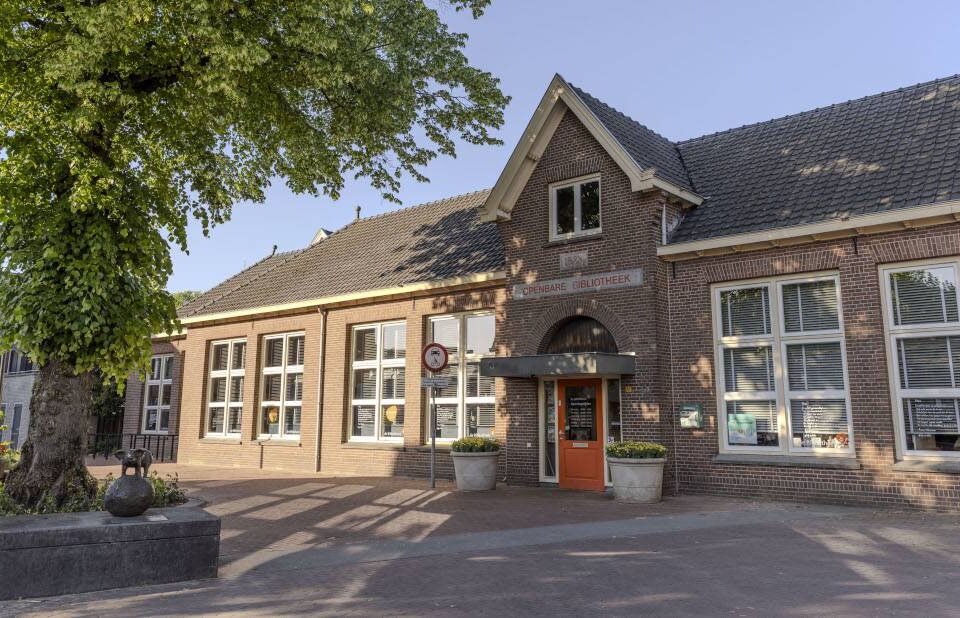
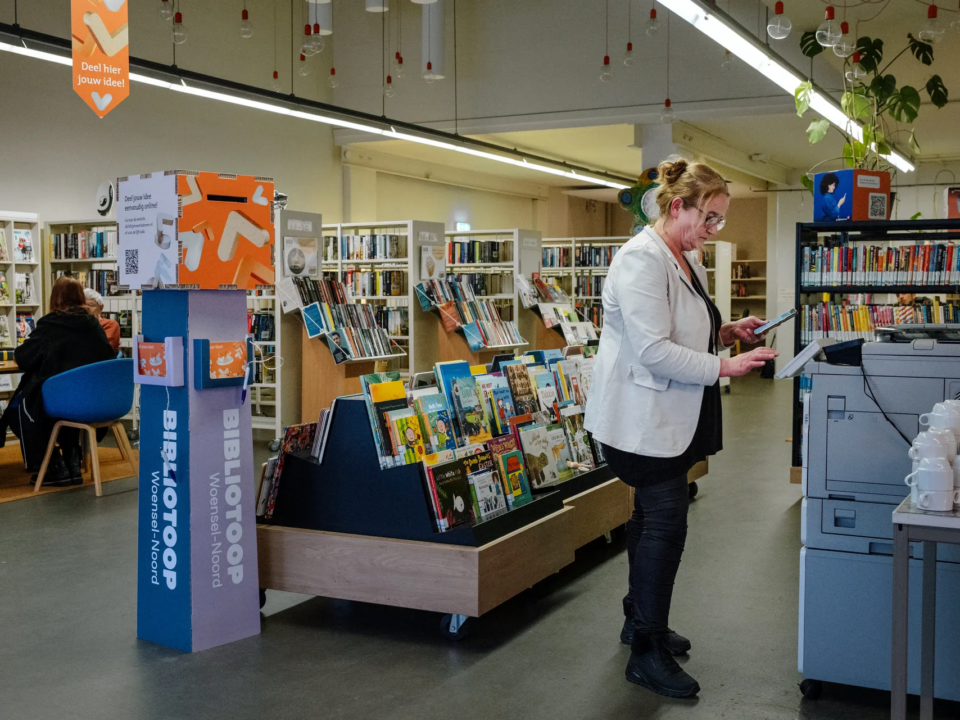
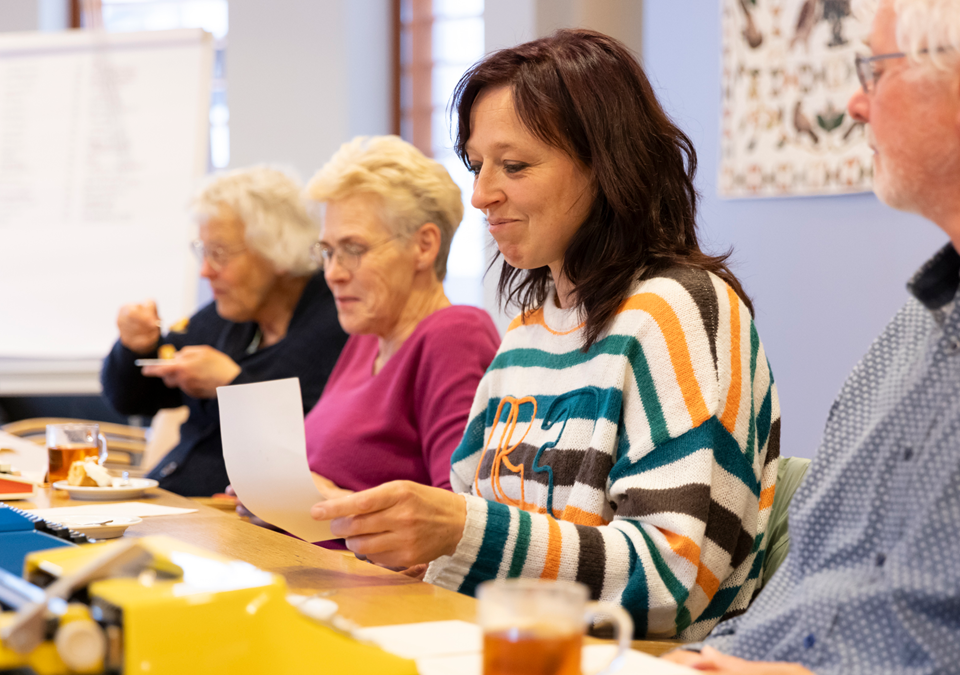
In recent years, public libraries have undergone a remarkable transformation from quiet repositories of books into vibrant, public “living rooms” in towns and villages. Libraries have become pivotal places of social connection, where everyone is welcome. Today’s libraries host a wide range of activities, from digital government information points, integration courses, legal consultation hours, NT2 programs, and financial advice to game nights, philosophical cafés, and cooking workshops. Increasingly, they also offer spaces for live question, meaning-making, and reflection.
This revival of libraries is unfolding against a backdrop of government retreat and the decline of civic organizations, such as churches and community centers. Libraries have become central social infrastructures, making them natural hubs for a growing number of societal roles.
In this program, Socires explores how libraries contribute to strengthening social cohesion in neighborhoods and local communities. We draw lessons that can be learned from their practices—lessons that may also be valuable for churches, community centers, and other civic organizations. At the same time, together with library professionals, we reflect on the potential vulnerabilities of libraries: Are expectations not too high? What do libraries need to maintain their successful social function in society?
What we do
In the autumn of 2025, Socires will publish a magazine presenting our findings. This magazine will feature examples from library activities across the country and incorporate insights from a range of experts.
We regularly share interim results through national media outlets and professional journals. We will also start a pilot with a library about how to practically deal with opportunities and challenges regarding their new societal role.
Who we work with
Socires is collaborating on this program with VU University Amsterdam, the VOB (the Dutch Association of Public Libraries), Bibliotheekblad magazine, and others. The project is made possible through the support of private funding.
This research is supported by a number of private funds.
Want to know more?
Would you like to know more or get involved? Please contact Ronald van Steden or David Oldenhof